Lucy Fernandez: A Sister with a Mission to Serve
An interview with the Pride Center of Maryland's Women's Outreach & Engagement Specialist on Latine community, Garifuna identity, and safety, authenticity, and belonging.
**What is your role at the Pride Center of MD?**
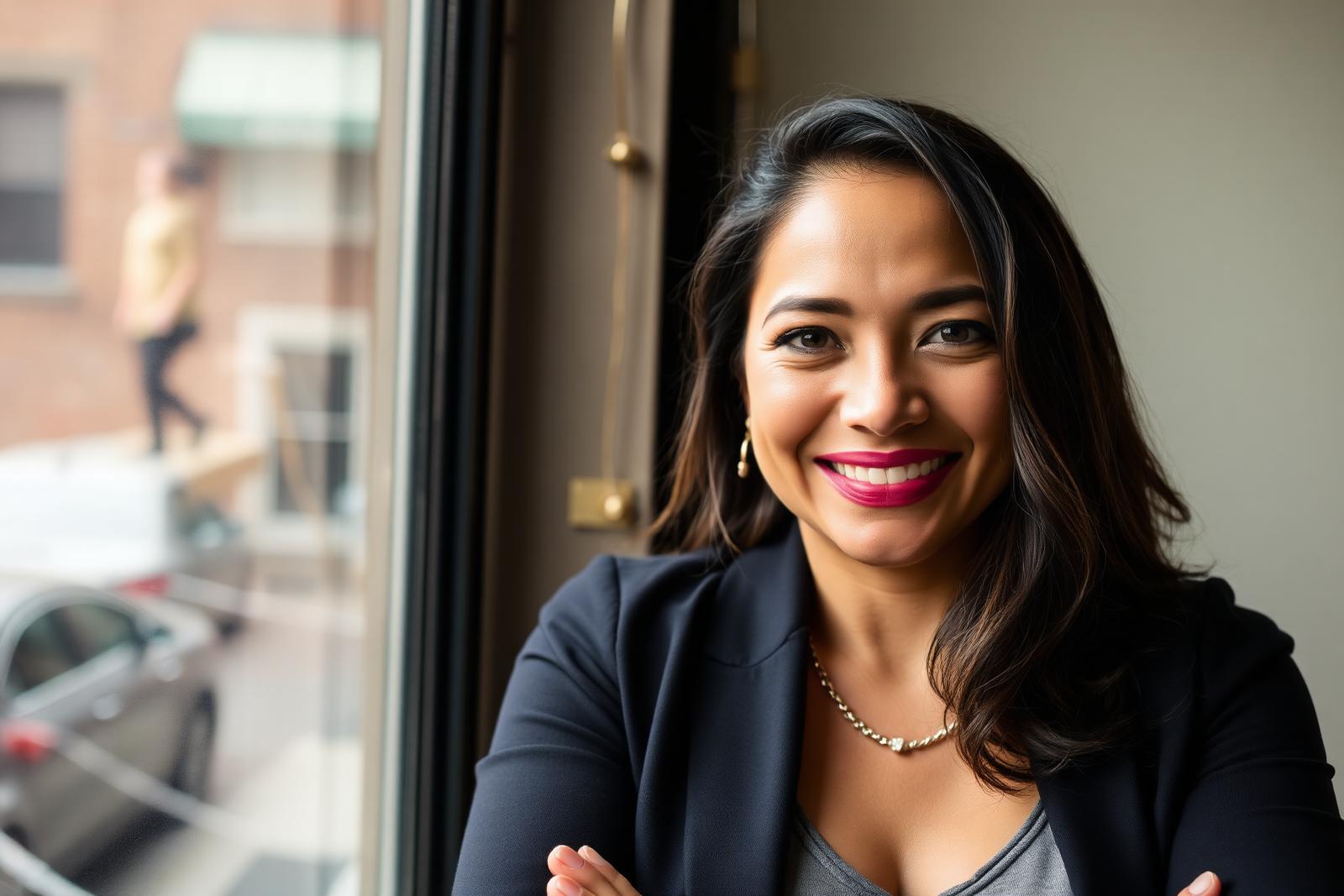
My role at the Pride Center is Women's Outreach & Engagement Specialist. I promote health equity, empowerment, and wellness among women.
**As a member of the Latine community, what challenges are you seeing within those communities? What hopeful happenings are occurring within those communities?**
The Latine community in Baltimore and across the U.S. is resilient and growing, but there are real structural challenges that come up over and over in casework, outreach, and community meetings: access to health care, housing and economic stability, education and language, immigration and legal fear, mental health and community isolation, and civic engagement.
**In some cases, LGBTQ/SGL* Latinos/Latinas may be stigmatized and shunned because of their sexual orientation or gender expression. How do our Latine siblings live in safety and authenticity?**
Our Latine brothers and sisters prioritize safety — both physical and emotional. They stay safe by gauging the spaces they visit, practicing digital privacy, finding one or two trusted people to reduce isolation, and having an exit plan for unsafe situations. They create boundaries, find authentic community, and find allies.
**You have a storied history as a Garifuna person living in the Baltimore region. What do you want our readers to know about Garinagu culture?**
What I want the reader to know about Garifuna culture is that we are not just "Black" or "Indigenous" — we're both. Garifuna = African + Arawak/Carib Indigenous roots. We were born in St. Vincent when shipwrecked Africans and the local Kalinagu people came together. The mix is in our blood, language, food, and music.
Our language consists of Arawakan with African and European words woven in. Our dances are the Punta, Parranda, and Wandaguli; the drums are our heartbeat, telling stories of struggle, celebration, and survival without words. The sea is our road; it's how we stay connected to land and each other. Land isn't just property to us; it's where our ancestors are buried, which is why land rights are very important to us.
Many Garifuna people come to Baltimore to look for work and safety. We're not just music and food — we're lawyers, nurses, teachers, organizers, and much more. We're fighting to keep our culture alive while living in many parts of the world. Our culture lives on when people see us as whole people.