From Resistance to Celebration: The History of Pride
A historical feature on how Pride parades emerged from protest, visibility, and collective resistance — and why the parade remains a vital expression of memory, public presence, and community power.
By Cleo Manago
CEO, The Pride Center of Maryland
The Pride Issue · June 2026 · 6 min read
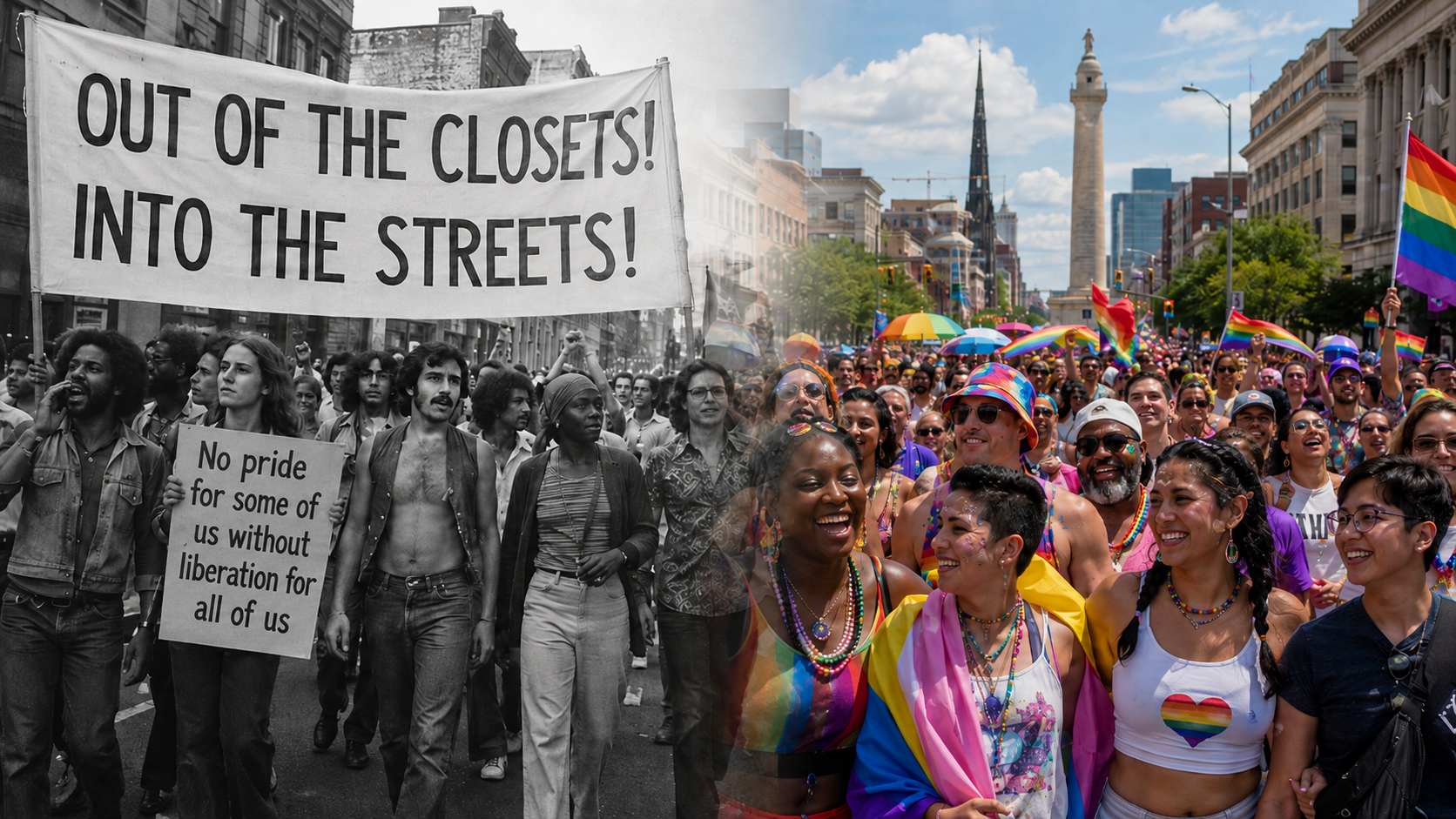
Pride was never meant to be merely a celebration.
It began as resistance.
Before the early 1970s, those once collectively labeled "gay" faced devastating oppression in both military and civilian life. Careers were destroyed. Families were fractured. People lost housing, reputations, and sometimes their lives simply because of who they were and how they loved. Many learned that silence was often the price of survival.
Then came Stonewall. Then came Pride.
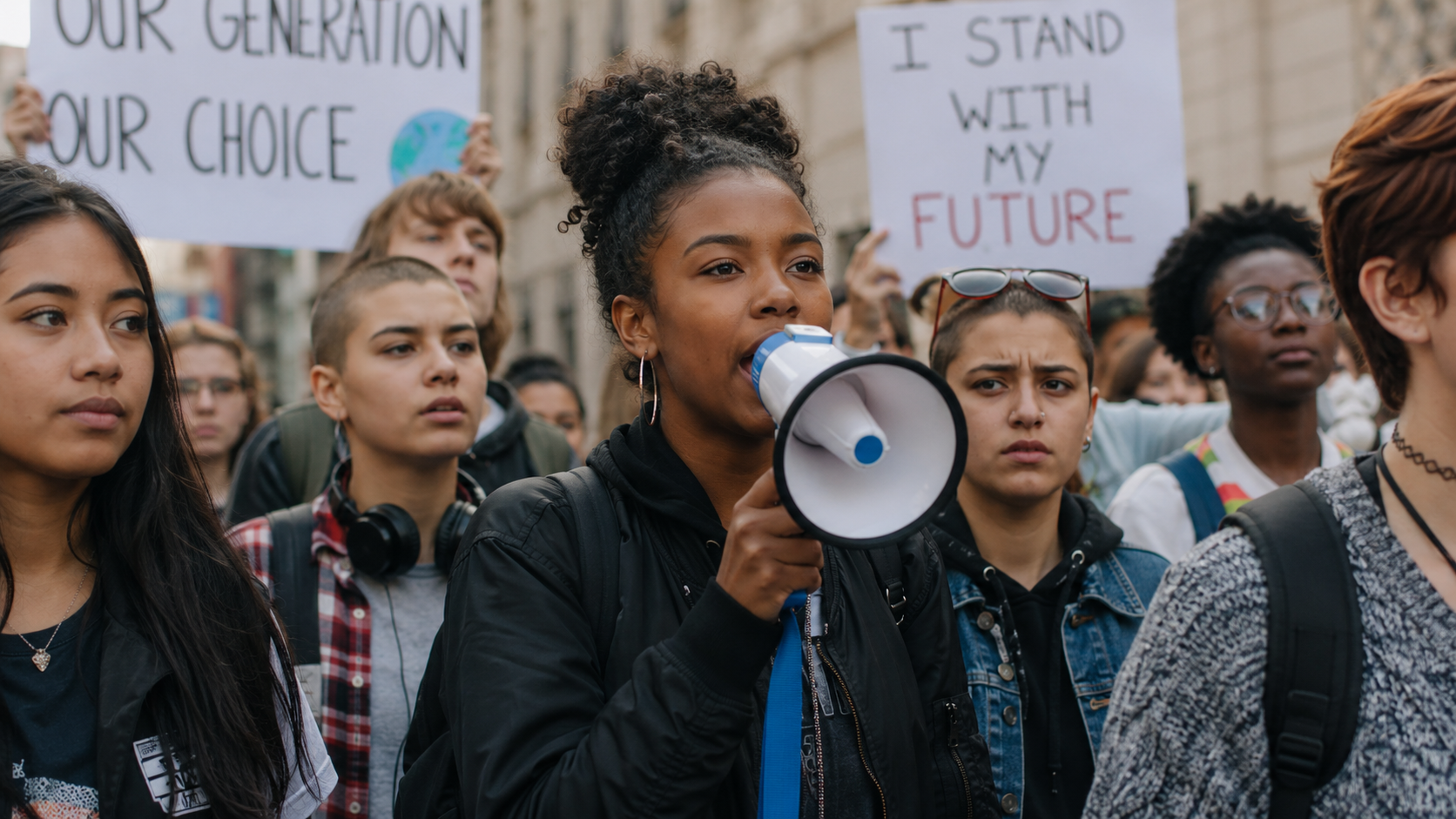
The first Pride marches were public acts of defiance — people refusing invisibility and demanding dignity, visibility, and the freedom to exist openly without fear. Led significantly by Black and Puerto Rican people, Stonewall alerted the world that liberation movements are born from resistance.
That struggle is far from over.
In today's political climate, especially during the Donald Trump era, attacks against LGBTQ-identified and same-gender-loving (SGL*) people have become increasingly direct and unapologetic. Visibility matters. Community matters. Resistance matters.
But another truth must also be confronted honestly: racism and white-supremacy mythology within the LGBTQ+ community remains deeply unresolved.
Too often, Black people still encounter exclusion, tokenism, fetishization, and silence — even within spaces claiming equality. A movement forged through resistance cannot afford to reproduce the inequities it condemns. Pride without racial equity is unfinished liberation.
At the Pride Center of Maryland, we continue striving for equity, inclusion, and collective liberation.
So, on June 13, we are preparing for more than a festival.
We are preparing for Pride. We are preparing for justice. We are preparing for the future still struggling to emerge.
Happy Pride.
— Cleo Manago, CEO, Pride Center of Maryland