The SAVE Act and the Future of Voter Access
A plain-English civic explainer: what the SAVE Act proposes, what supporters and opponents say, and why voter access matters for LGBTQ/SGL* communities and allies.
By PCOM Perspectives
Summer Issue · July 2026 · 5 min read
**Editorial note.** The SAVE Act has moved through Congress in several forms and its provisions continue to change. Before acting on anything in this article — writing to a representative, publishing a follow-up, quoting it in a speech — verify the current status and specific language against official legislative sources (congress.gov and your state's Board of Elections). This piece is intended as a civic explainer, not a legal reference.
**What the SAVE Act is.** The Safeguard American Voter Eligibility (SAVE) Act is a proposed federal law that would require documentary proof of United States citizenship — such as a U.S. passport, a birth certificate, or naturalization papers — in order to register to vote in federal elections. It would apply to new registrations and, in some versions, to registration updates.
**Why supporters favor it.** Supporters argue that a documentary citizenship requirement adds a layer of verification to federal voter rolls and reflects widely shared expectations that only U.S. citizens vote in U.S. elections. They frame the measure as an election-integrity guardrail.
**Why opponents object.** Opponents point out that voting by non-citizens in federal elections is already illegal, extremely rare, and prosecuted. They warn that a documentary-proof requirement creates real access barriers for eligible U.S. citizens who do not routinely carry a passport or a certified birth certificate — including married people whose current legal name does not match their birth certificate (a group that disproportionately includes women), people who have moved between states, people without a driver's license, low-income voters, rural voters, elderly voters, and voters of color. Civil rights groups have flagged particular concern for transgender voters whose documents may not match across systems.
**What it could mean for registration.** Depending on the final text, voter registration drives, motor-voter registration, mail registration, and online registration could all require a new documentary step. Advocates on both sides agree that implementation details matter enormously.
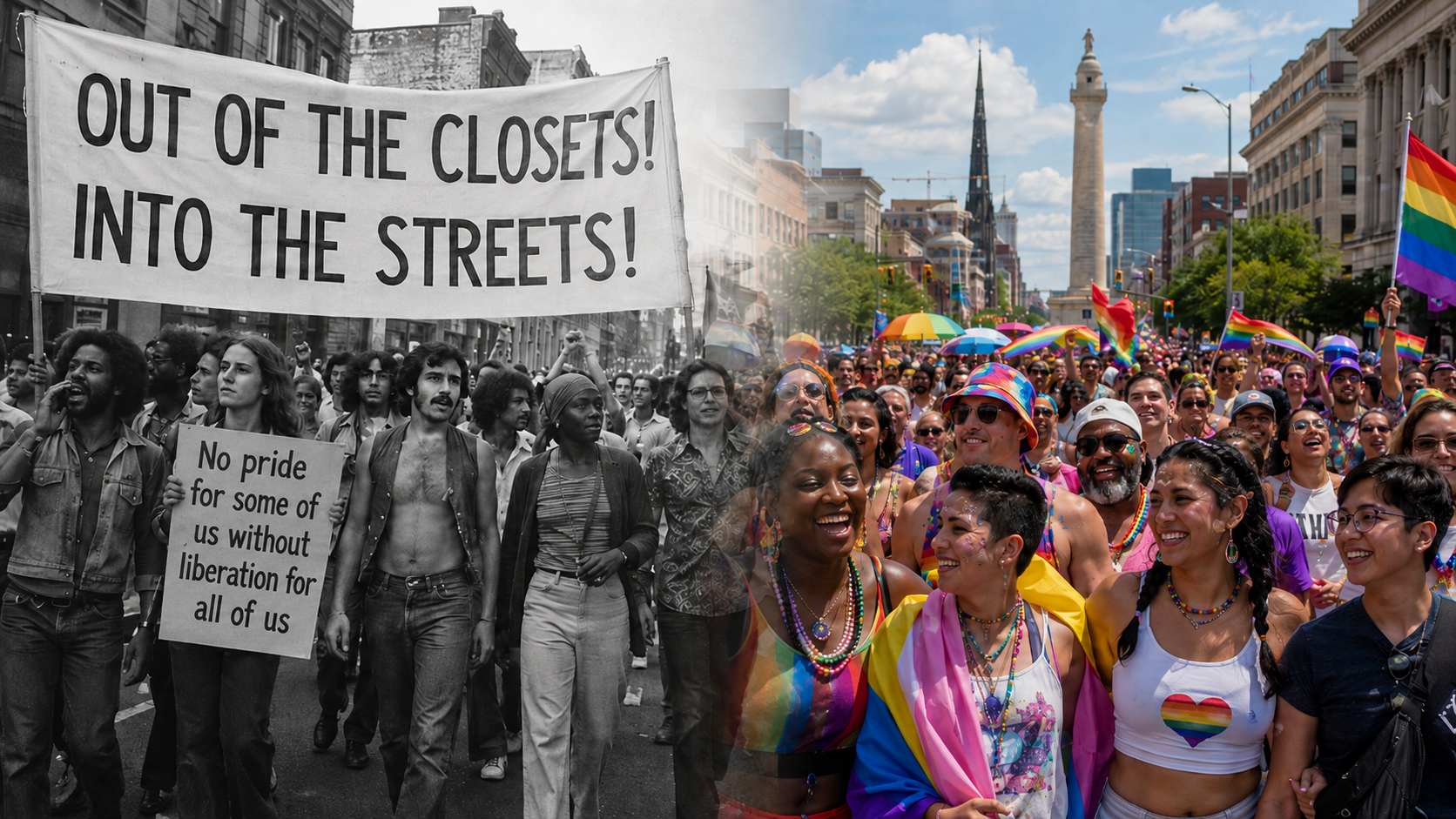
**Why civic engagement matters for LGBTQ/SGL* communities and allies.** LGBTQ/SGL* rights in the United States — marriage, employment protections, healthcare access, gender-affirming care, protection from violence — rest on laws, court decisions, and elected officials. Voter access is not a side issue. It is the infrastructure that everything else runs on. Whatever your view on the SAVE Act, the way to have that view counted is to be registered, be informed, and vote in every election on your ballot — including local ones.
**What to do this week.** Confirm your voter registration at the Maryland State Board of Elections. Check that the name on your registration matches the name on your primary ID. If you plan to update your registration, gather your documents before the next deadline. If you have capacity, volunteer with a nonpartisan voter registration effort.