Pride Doesn't End in June: The Power of Allyship
What allyship actually asks of us — after the flags come down, after the parade route is cleaned, after the corporate logos change back.
By PCOM Perspectives
Summer Issue · July 2026 · 5 min read
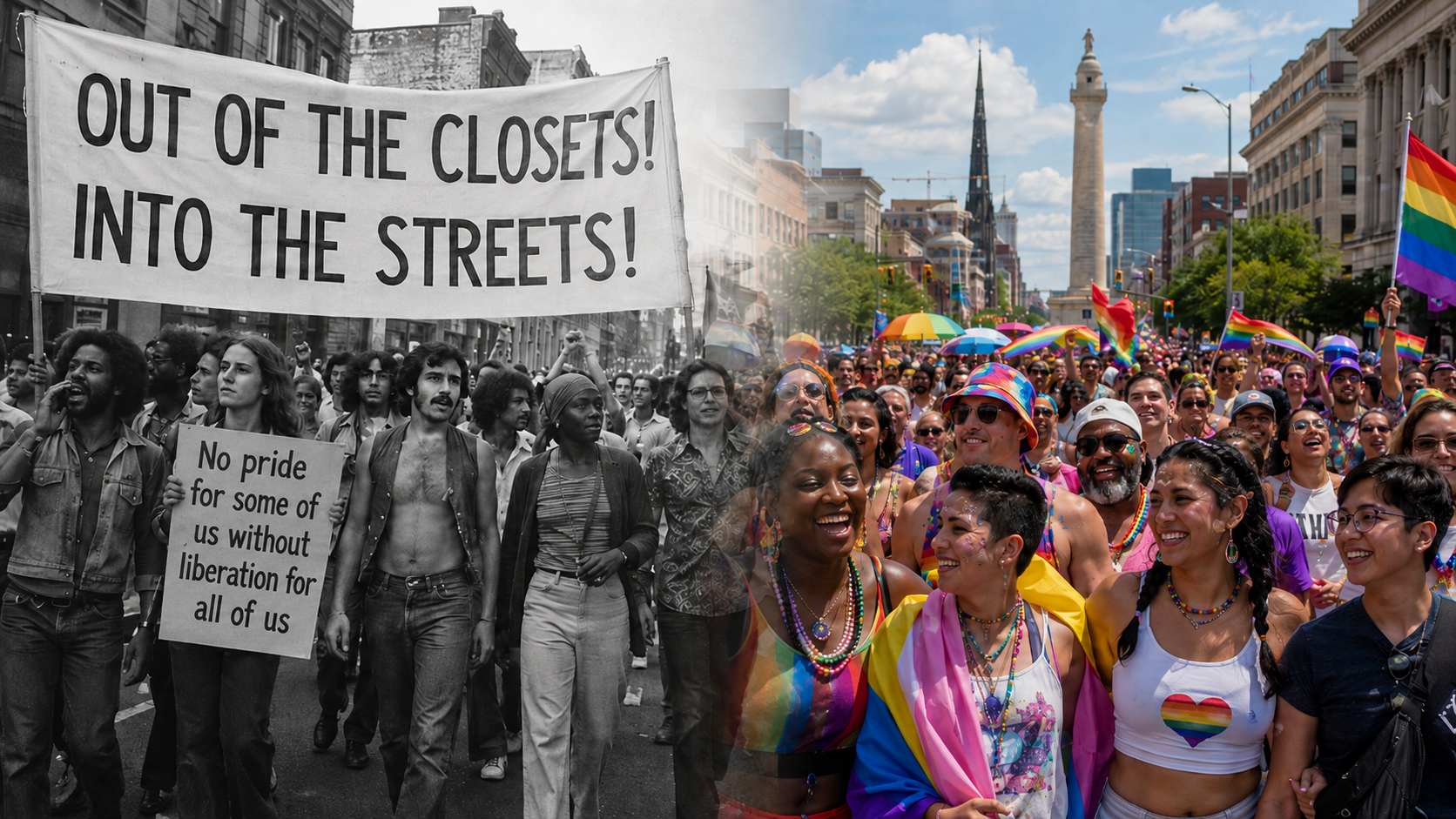
Every June, the country dresses up. Storefronts go rainbow. Brands post statements. Elected officials post photos. Then July arrives, the merchandise is discounted, and the community goes back to doing the work it was always doing. The question this issue puts on the table is simple: what if that pattern isn't allyship at all?
**What is an ally?** An ally is a person who is not part of a marginalized community but uses their position, voice, resources, and vote to support that community's rights, safety, and self-determination. Allyship is not an identity you claim. It is a practice you demonstrate.
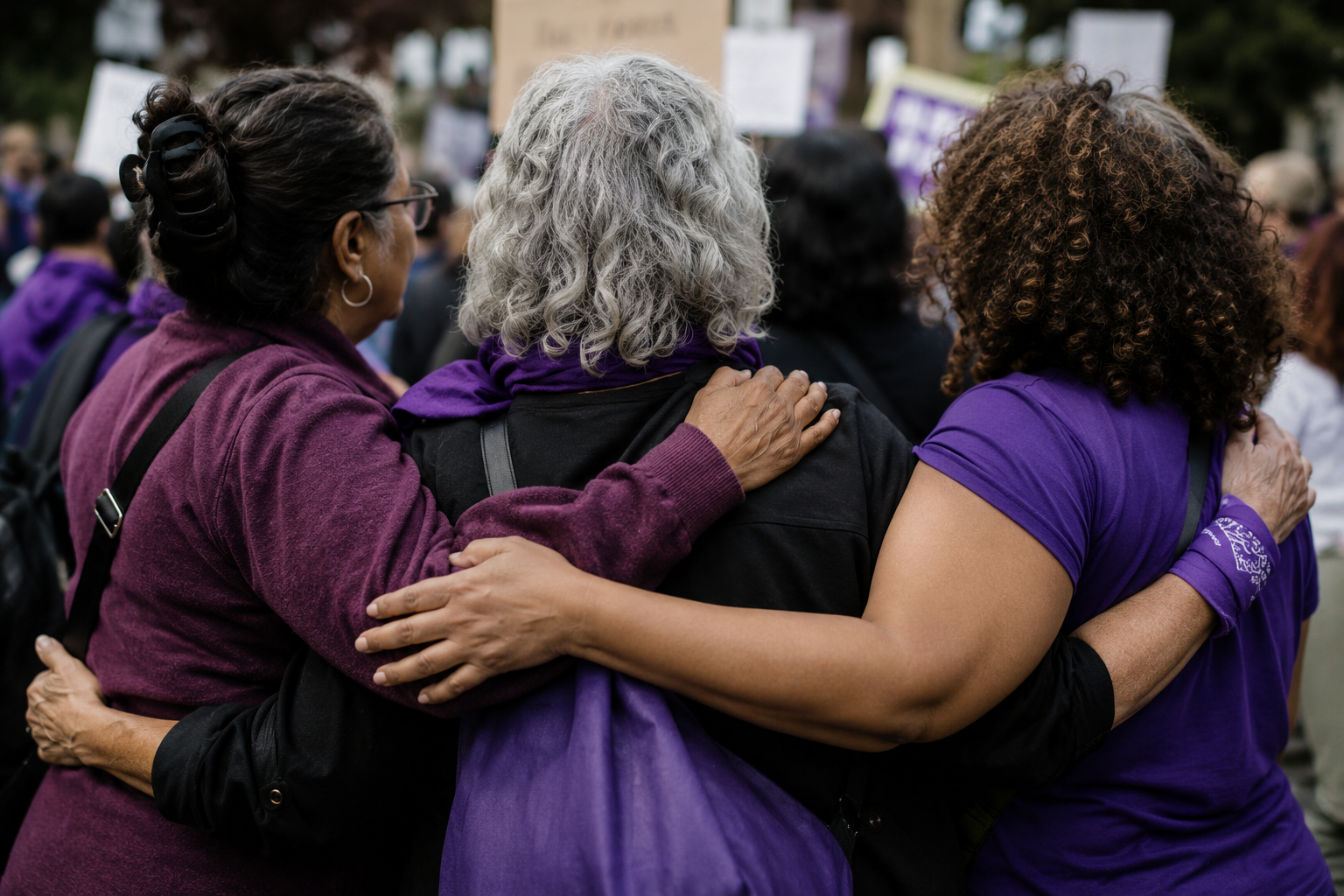
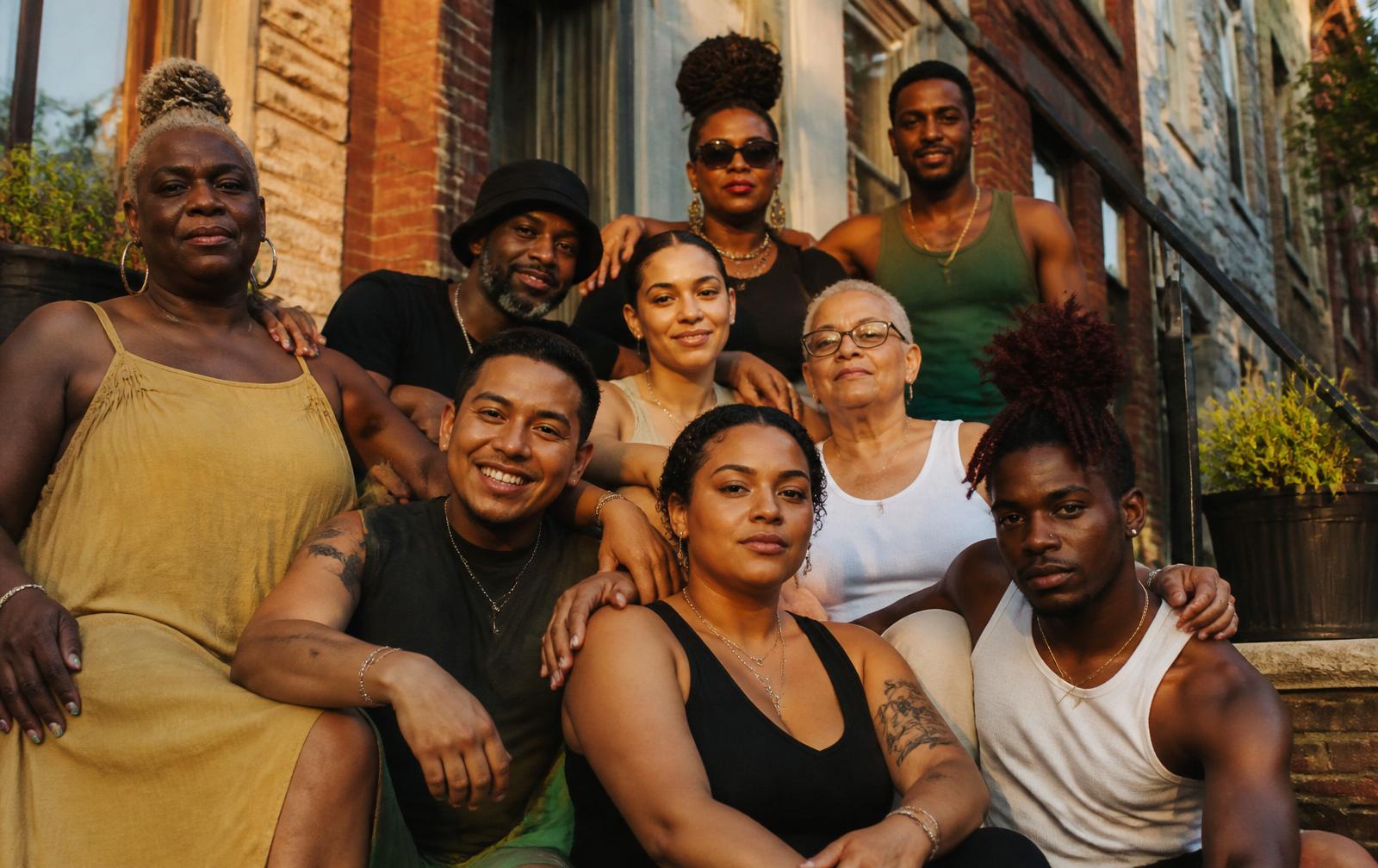
**Who can be an ally?** Anyone. Straight and cisgender neighbors, colleagues, and family members. Faith communities. Business owners. Teachers. Doctors. Elected officials. Journalists. Fellow LGBTQ/SGL* community members can also be allies to each other — Black queer folks to trans siblings, cisgender lesbians to nonbinary youth, older community members to younger ones.
**What does meaningful allyship look like?** It looks like showing up when there is no camera. It looks like spending money at queer- and trans-owned businesses in November, not just June. It looks like correcting a coworker's misgendering without waiting for the person being misgendered to do it. It looks like reading the ballot before you vote. It looks like paying attention to school board meetings. It looks like listening more than you speak.
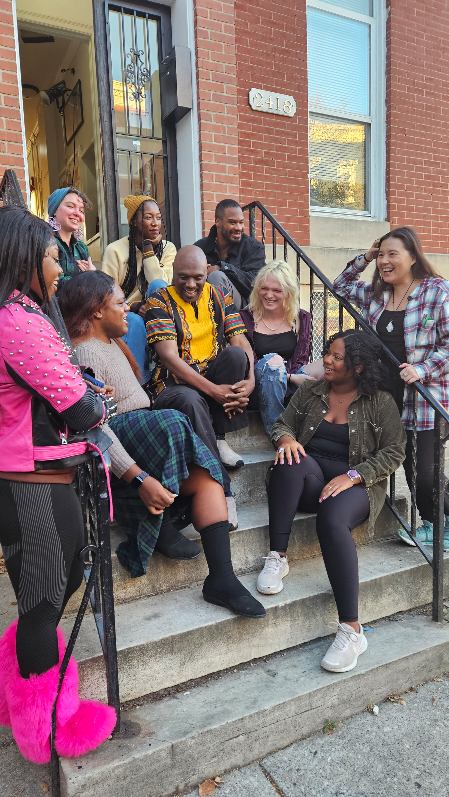
**How can allies support LGBTQ/SGL* communities year-round?** Give money to LGBTQ/SGL*-serving organizations doing the work locally — including The Pride Center of Maryland. Volunteer. Attend community events as a guest, not a spectator. Ask organizers what they actually need instead of guessing. Amplify community voices instead of speaking for them.
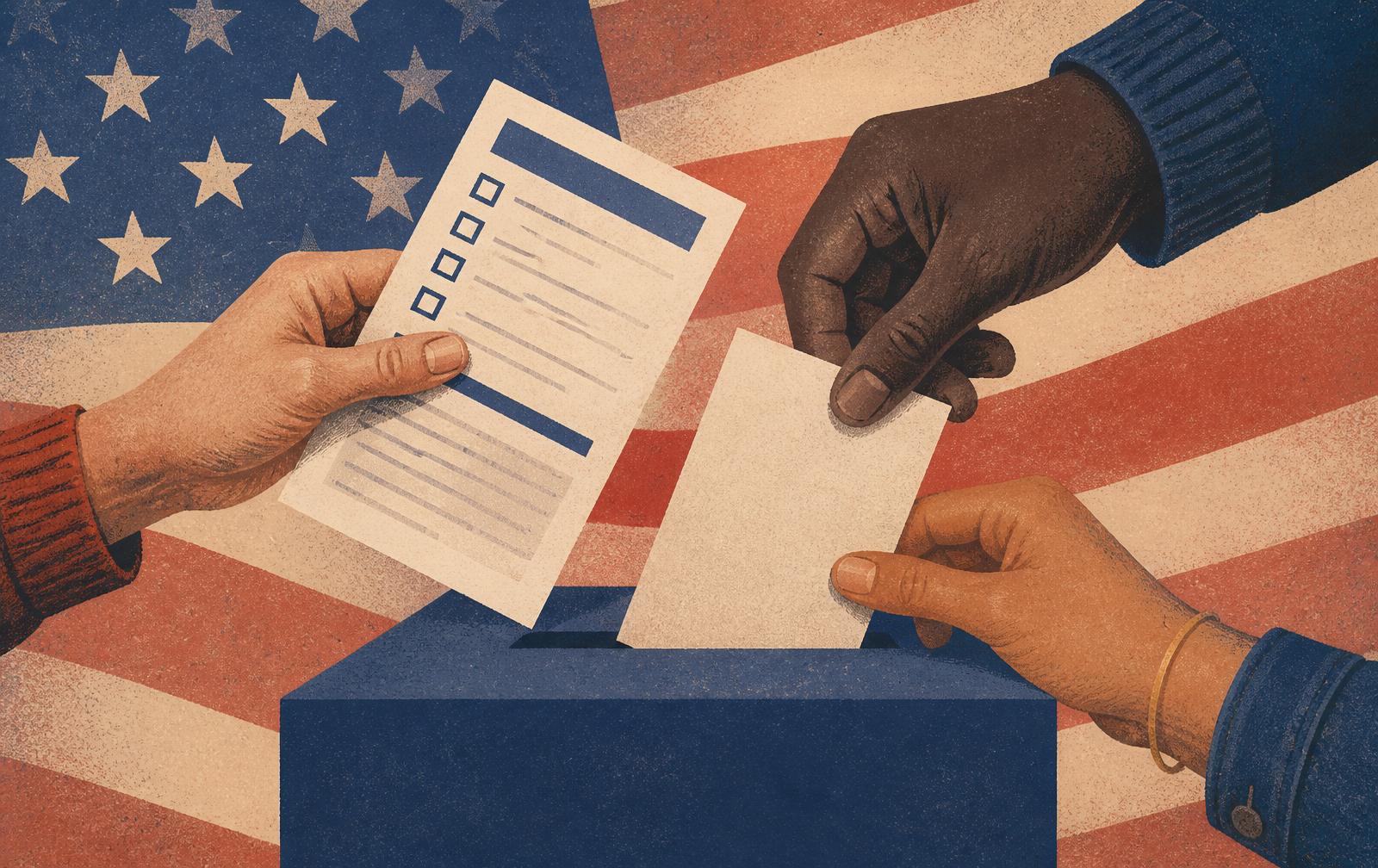
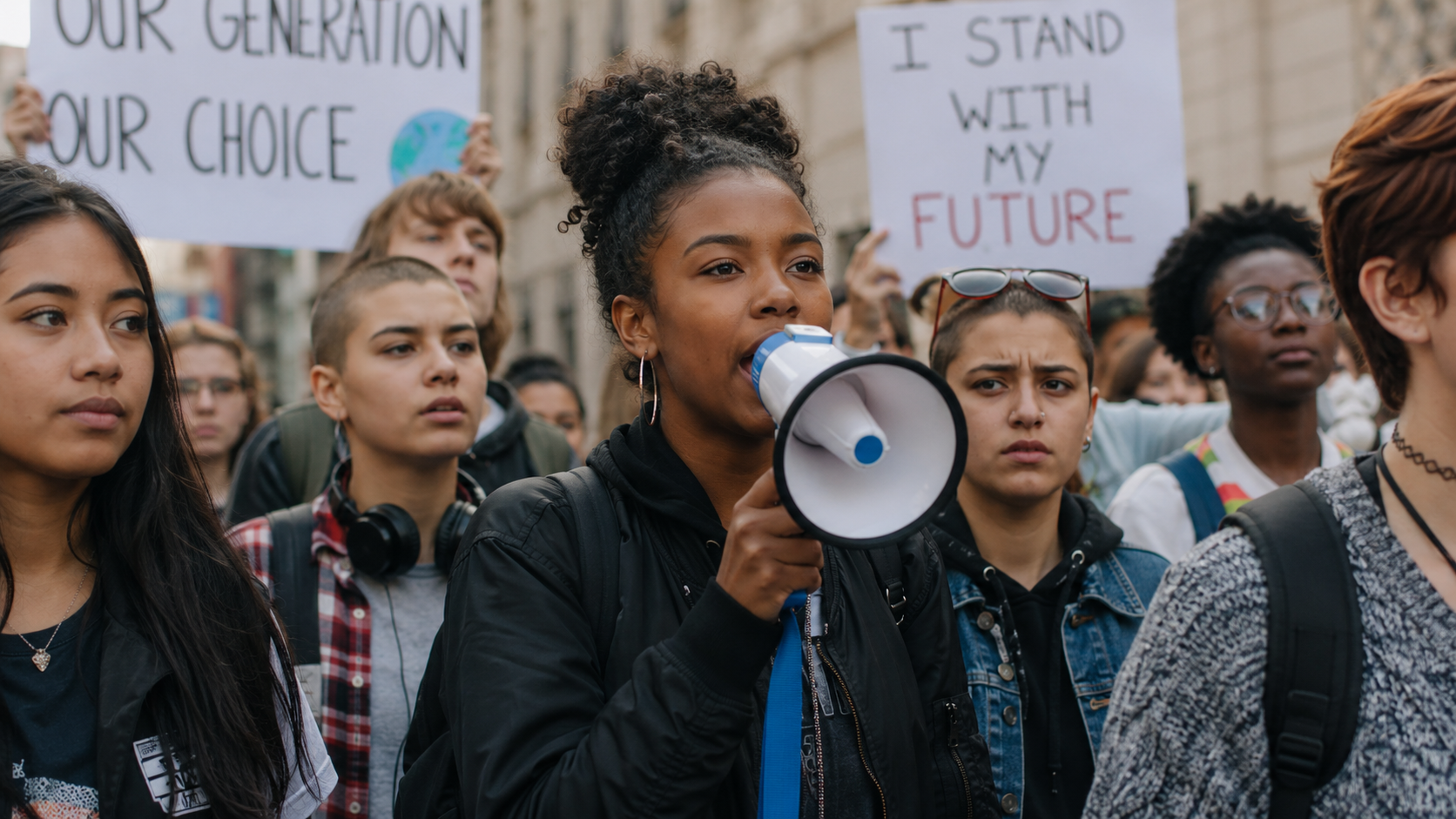
**The role allies play in civic engagement.** Voting is allyship. Protecting voter access is allyship. Contacting elected officials about bills that affect LGBTQ/SGL* rights, healthcare, housing, education, and safety is allyship. Showing up to public hearings — the ones nobody wants to sit through — is allyship. Allies who vote and organize year-round are the difference between a Pride Month that means something and one that doesn't.
The community you claim to support in June is still here in July, in November, and in every legislative session in between. So is the work.