Why Youth Voices Matter
A youth-centered perspective on safety, leadership, identity, and belonging — and why the next generation is shaping what PCOM becomes next.
By Marcus Henry
Youth Programs Contributor, PCOM Perspectives
June 2026 · 5 min read
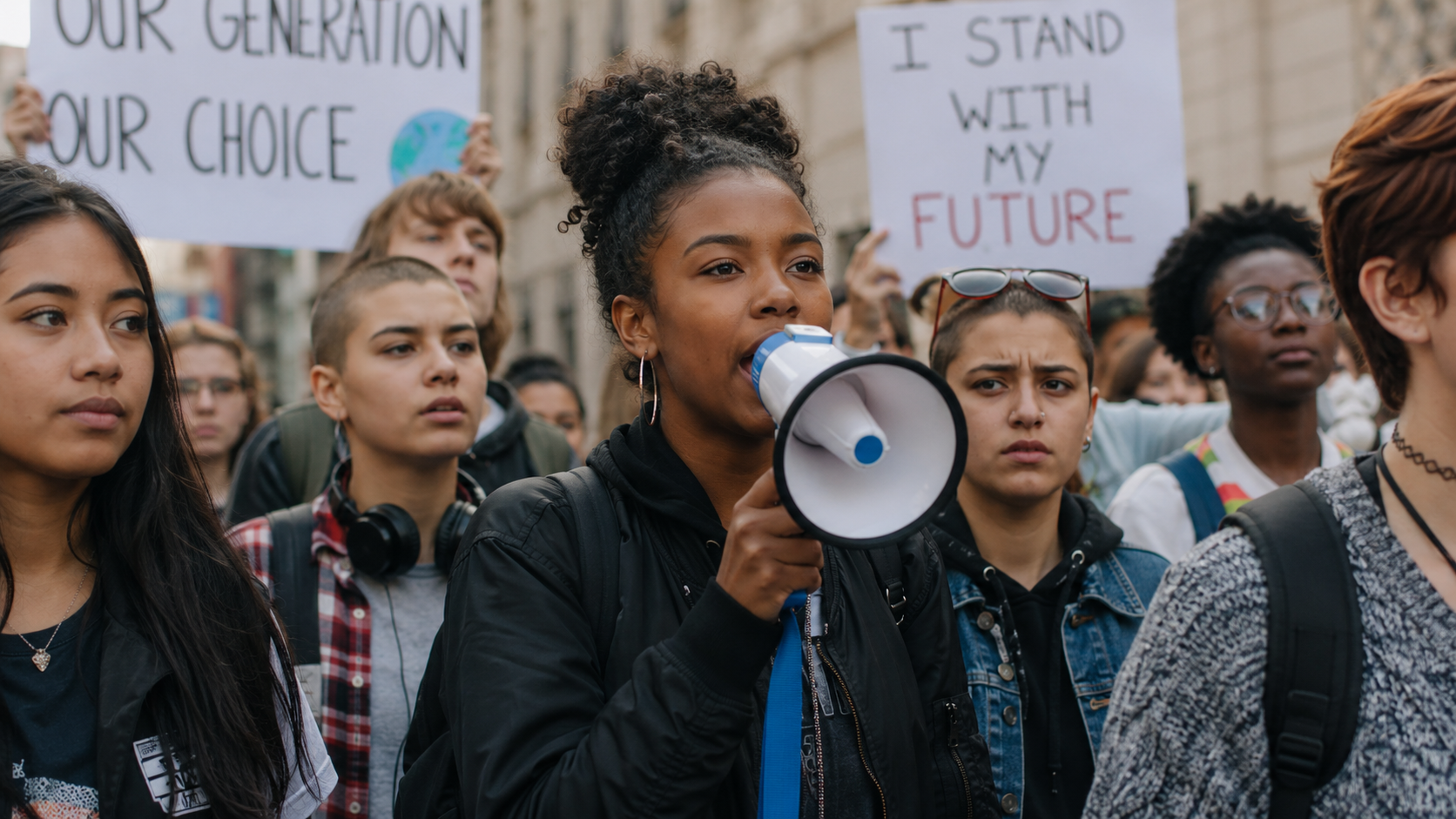
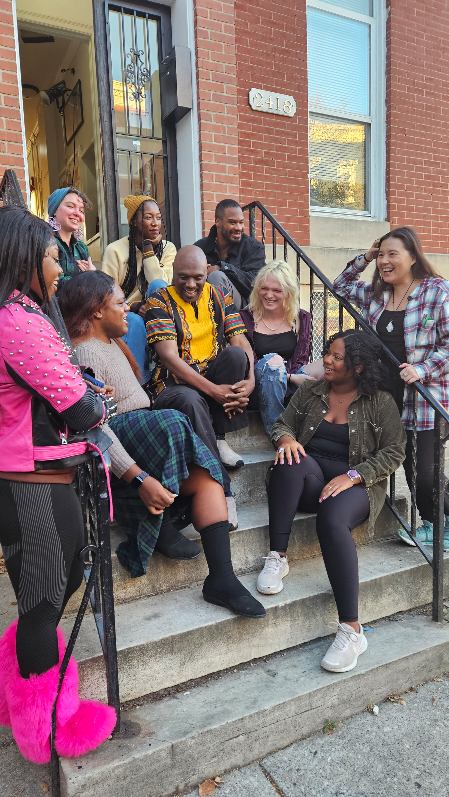
The youth perspective at The Pride Center of Maryland is about creating a space where young LGBTQ+/SGL* people are not only supported, but truly heard, valued, and empowered. It means recognizing that youth experiences are unique and that young people deserve a seat at the table when conversations are happening about their lives, safety, education, health, and future.
Youth voices bring honesty, creativity, and lived experience to the LGBTQ/SGL* community. Young people are navigating identity, relationships, school environments, mental health challenges, family acceptance, social media pressures, and community building in ways that previous generations did not experience in the same way. Because of this, youth can offer fresh ideas, solutions, and perspectives that help organizations, leaders, and communities grow stronger and more inclusive.
At The Pride Center of Maryland, a youth-centered perspective can look like creating safe spaces where youth can openly express themselves without judgment; giving youth leadership opportunities through programs, planning committees, advocacy, and peer support; including youth in decision-making processes for events, services, and community initiatives; providing mentorship, education, and resources that help youth succeed personally and professionally; encouraging creativity through art, performance, storytelling, and activism; and building community connections that reduce isolation and increase belonging.
What that looks like in practice is staff who listen first and program second. It looks like youth-led discussion nights where the agenda is set in the room, not handed down from a desk. It looks like paid stipends for advisory roles, transit support for the young people who travel across the city to be present, and follow-through on the ideas they bring forward.
It also means being honest about what we do not yet do well. PCOM continues to learn alongside the youth it serves — about gender expansiveness, about neurodivergence, about the textures of Black and Brown queer adolescence that no single program can flatten into a curriculum. The work of listening is itself ongoing.
In today's world, where many LGBTQ/SGL* youth still face discrimination, mental health struggles, and lack of support, listening to youth voices is not optional — it is necessary. Their stories, ideas, and leadership help create safer schools, healthier communities, and a future where all young people can live authentically and proudly.