Maryland's Office of Overdose Response (MOOR) Visits PCOM to Strengthen Harm Reduction & Recovery
A community wellness story on harm reduction, recovery, overdose prevention, and a new partnership with Maryland's Office of Overdose Response (MOOR)
By Chinedu Nwokeafor
PCOM Director of Wellness
June 2026 · 5 min read
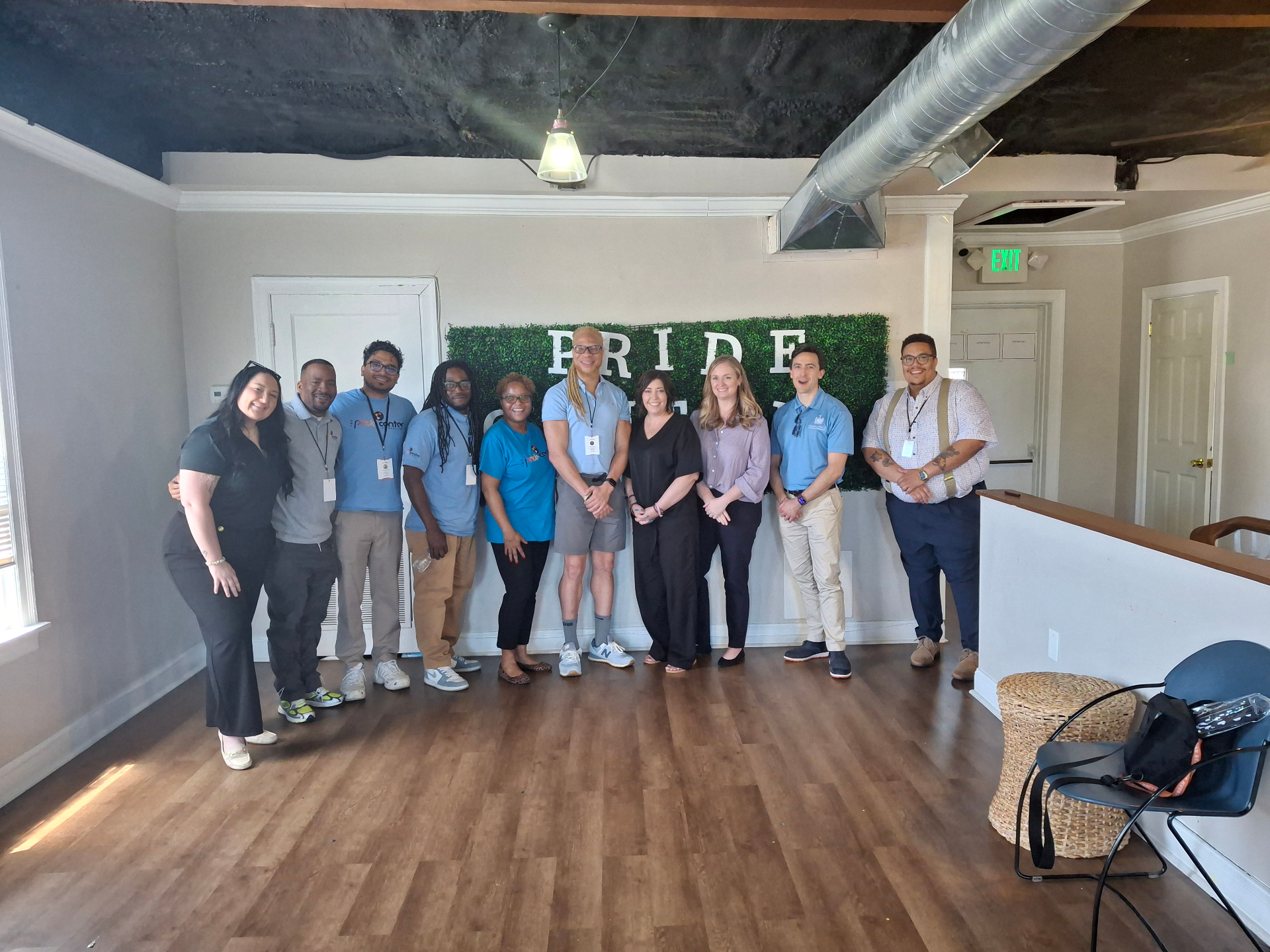
Maryland's Office of Overdose Response (MOOR)'s team spent the week at PCOM working through naloxone distribution, peer recovery coaching, and the long-overdue conversation about overdose in queer Baltimore.
The visit was structured around three days of hands-on training and two days of community conversations. Recovery coaches from Maryland's Office of Overdose Response (MOOR) sat alongside PCOM's wellness staff to map out a referral pathway that does not depend on a person being abstinent, employed, or insured to receive care. The protocol that emerged centers dignity first and clinical outcomes second — because, in practice, the two are inseparable.
What came out of it is a partnership, a training pipeline, and a published harm-reduction protocol you'll see in the next edition. PCOM will also begin offering monthly naloxone trainings open to anyone in the community, with kits distributed at no cost.
For PCOM, harm reduction is not a side program — it is a core expression of community care. It begins with the people most affected, treats use without judgment, and meets neighbors where they already are. That orientation is what made the Maryland's Office of Overdose Response (MOOR) collaboration possible in the first place.
Overdose remains a leading cause of preventable death among LGBTQ/SGL* adults in Maryland, and the gap between need and access is widest for Black queer and trans residents. Partnerships like this one are how that gap begins to close — not through a single program, but through a network of organizations willing to share training, share referrals, and share accountability.
Watch for the protocol — and the names of the recovery coaches doing this work — in the next edition.